A Hidden Pathway to Heat and Weight Loss
Researchers at McGill University have identified a previously unknown molecular mechanism that ignites a powerful calorie-consuming process in brown fat—a type of fatty tissue that generates heat and plays a key role in metabolism. The finding solves a long-standing puzzle about how the body ramps up energy expenditure without shivering, and it could open new doors for treating obesity and strengthening bones.
What Is Brown Fat and Why Does It Matter?
Unlike white fat, which stores excess energy, brown fat is packed with mitochondria—the cell's powerhouses. When activated, it burns calories to produce heat, a process called thermogenesis. This makes brown fat a prime target for weight-management therapies. However, until now, scientists were unsure how the body switches on an alternative heat-producing pathway that doesn't rely on the well-known UCP1 protein.
The Glycerol Clue
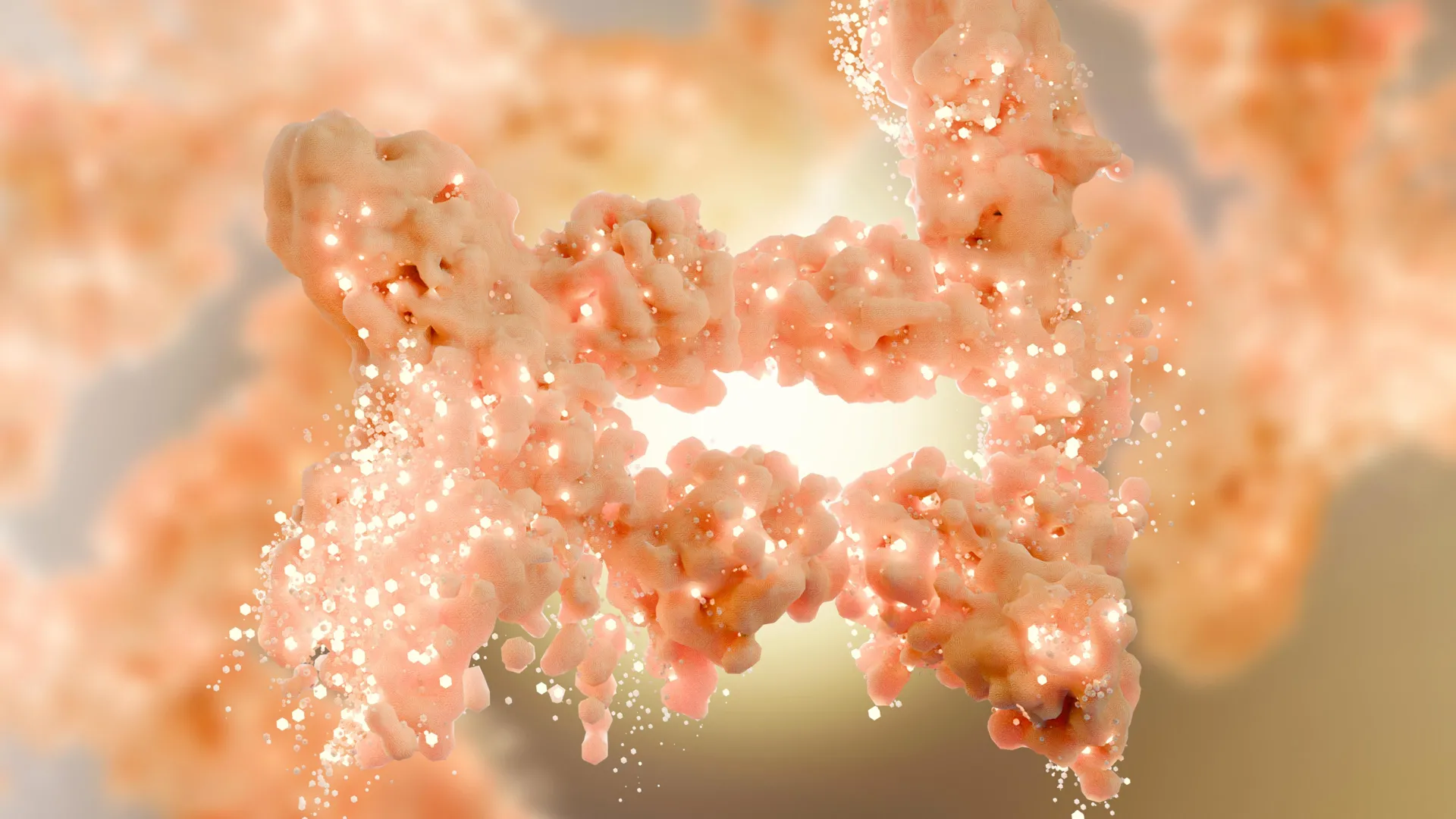
The team discovered that when fat is broken down in response to cold temperatures, a small molecule called glycerol is released. Glycerol acts as a signal that flips a molecular 'switch' inside brown fat cells. This switch triggers an enzyme known as TNAP (tissue-nonspecific alkaline phosphatase), which then kicks off a series of reactions that produce heat through a mechanism distinct from the classic UCP1 pathway.
How the TNAP 'Switch' Operates
Earlier research had hinted that brown fat could generate warmth via alternative routes, but the exact steps remained elusive. The McGill study, published in Nature Metabolism, outlines the sequence: exposure to cold prompts lipolysis (breakdown of fat), releasing glycerol. Glycerol then activates TNAP, which dephosphorylates specific substrates and ultimately drives a futile cycle of calcium pumping in mitochondria. This cycle consumes a large amount of ATP—the energy currency of cells—and produces heat as a byproduct.
Surprising Link to Bone Strength
In a twist, the researchers noted that TNAP is also active in bone formation. By tweaking this pathway in brown fat, they observed positive effects on bone density in animal models. This suggests that the same molecular switch could be targeted to simultaneously promote weight loss and fortify skeletal health—a dual benefit that could revolutionize treatments for osteoporosis and metabolic diseases.
What This Means for Medicine
Until now, drug development focused on boosting UCP1 activity, but that approach has limitations. The newly discovered glycerol-TNAP pathway offers a separate, druggable target. "We may be able to design medications that mimic cold exposure without the discomfort," says senior author Dr. Mathieu Laplante. "Or we could enhance this pathway to help people burn more calories and improve bone quality at the same time."
Clinical trials are still years away, but the findings provide a clear roadmap for future research. For individuals struggling with weight or brittle bones, this hidden switch could eventually become a key to better health.
Read more about how brown fat influences metabolism in our article on brown fat basics.